Austin TX, 13th April, 2026 —
As high-performance computing (HPC) and AI workloads continue to scale, data centers are facing a growing challenge: heat.
Traditional air cooling systems are reaching their limits. Increased rack densities, rising energy costs, and sustainability pressures are pushing operators to rethink how infrastructure is cooled and optimized.
This is where immersion cooling is quickly emerging—not as an alternative, but as a necessary evolution.
The Limitations of Traditional Cooling
For decades, air cooling has been the industry standard. While reliable, it was never designed for today’s computing demands.
As workloads become more intensive, air cooling struggles with:
- Inefficiency at high densities.
- High energy consumption (cooling can represent up to ~40% of total energy use).
- Space constraints due to airflow requirements.
- Thermal hotspots that impact performance and hardware lifespan.
In short, air cooling is becoming a bottleneck.
What is Immersion Cooling?
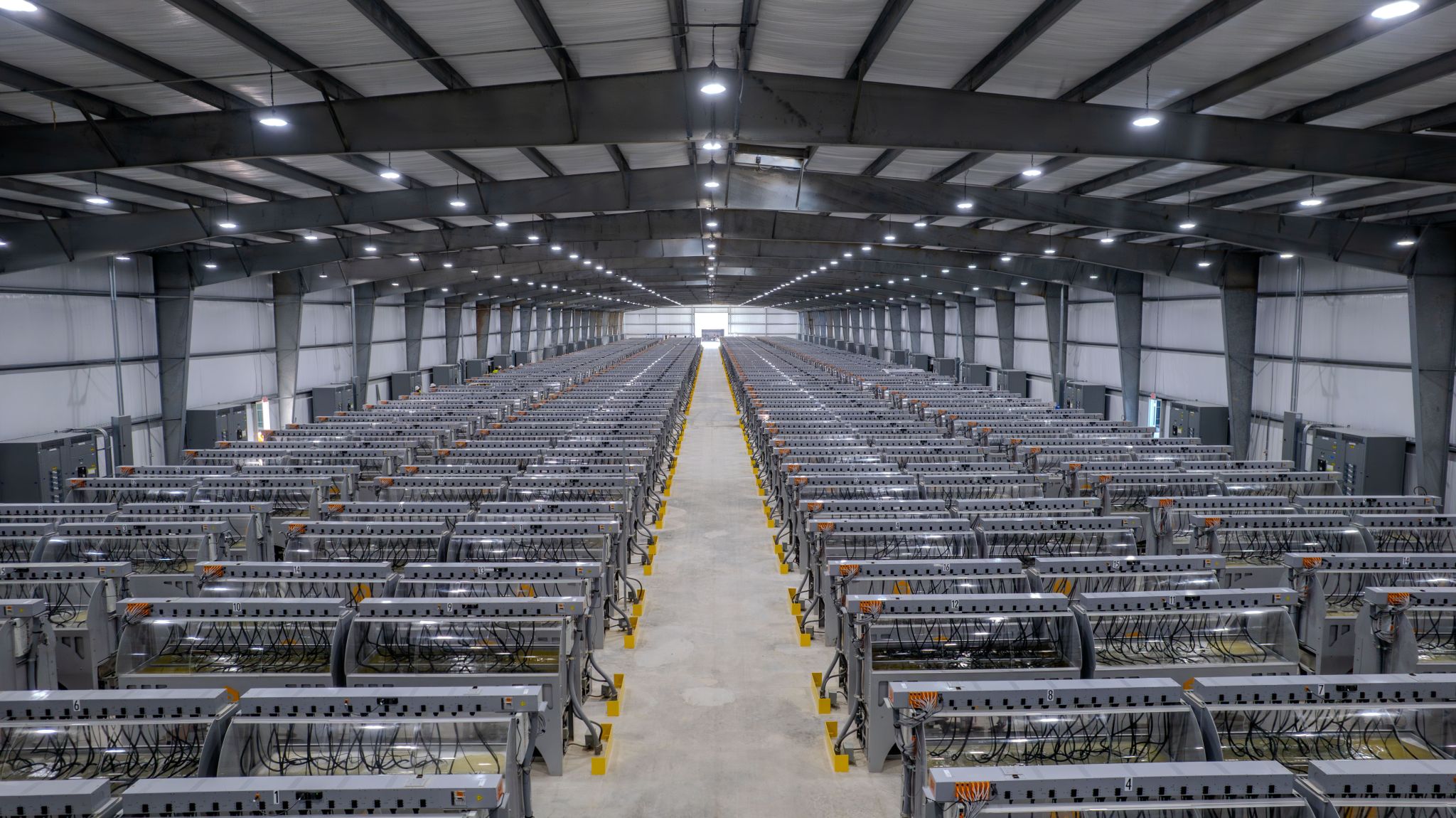
Immersion cooling is a method where IT hardware is submerged in a thermally conductive, dielectric liquid that absorbs and dissipates heat more efficiently than air.
Instead of trying to push cool air through increasingly dense systems, immersion cooling removes heat directly at the source.
Why It’s Gaining Traction Now
Several industry shifts are accelerating the adoption of immersion cooling:
1. The rise of AI and HPC
AI workloads demand significantly higher compute power, leading to increased heat generation and rack density.
2. Sustainability goals
Organizations are under pressure to reduce energy consumption and carbon footprint. Immersion cooling can significantly lower Power Usage Effectiveness (PUE).
3. Cost efficiency over time
While initial implementation may differ from traditional setups, reduced energy consumption and longer hardware lifespan contribute to lower total cost of ownership (TCO).
Key Benefits of Immersion Cooling
• Higher Energy Efficiency
Direct heat transfer reduces the need for large-scale air circulation and cooling infrastructure.
• Increased Performance
Systems can run at higher densities without thermal limitations.
• Reduced Physical Footprint
Less reliance on airflow means more compact and scalable data center designs.
• Improved Reliability
Stable temperatures reduce thermal stress on components, extending hardware lifespan.
Real-World Applications
Immersion cooling is no longer experimental—it’s already being adopted across industries:
- AI and machine learning infrastructure
- High-density data centers
- Cryptocurrency mining operations
- Scientific computing environments
These environments share one thing in common: extreme compute demands that traditional cooling can no longer support efficiently.
A Shift in the Industry
Immersion cooling is no longer experimental—it’s becoming a practical solution for modern, high-density environments.
As infrastructure demands continue to grow, companies are starting to see it as a necessary evolution rather than an optional upgrade.
The question is no longer whether immersion cooling will play a role in the future of data centers—but how soon organizations will make the transition.
Is your infrastructure ready for the next generation of cooling?